Immigration Violations & Penalties for Foreigners in China: What You Must Know
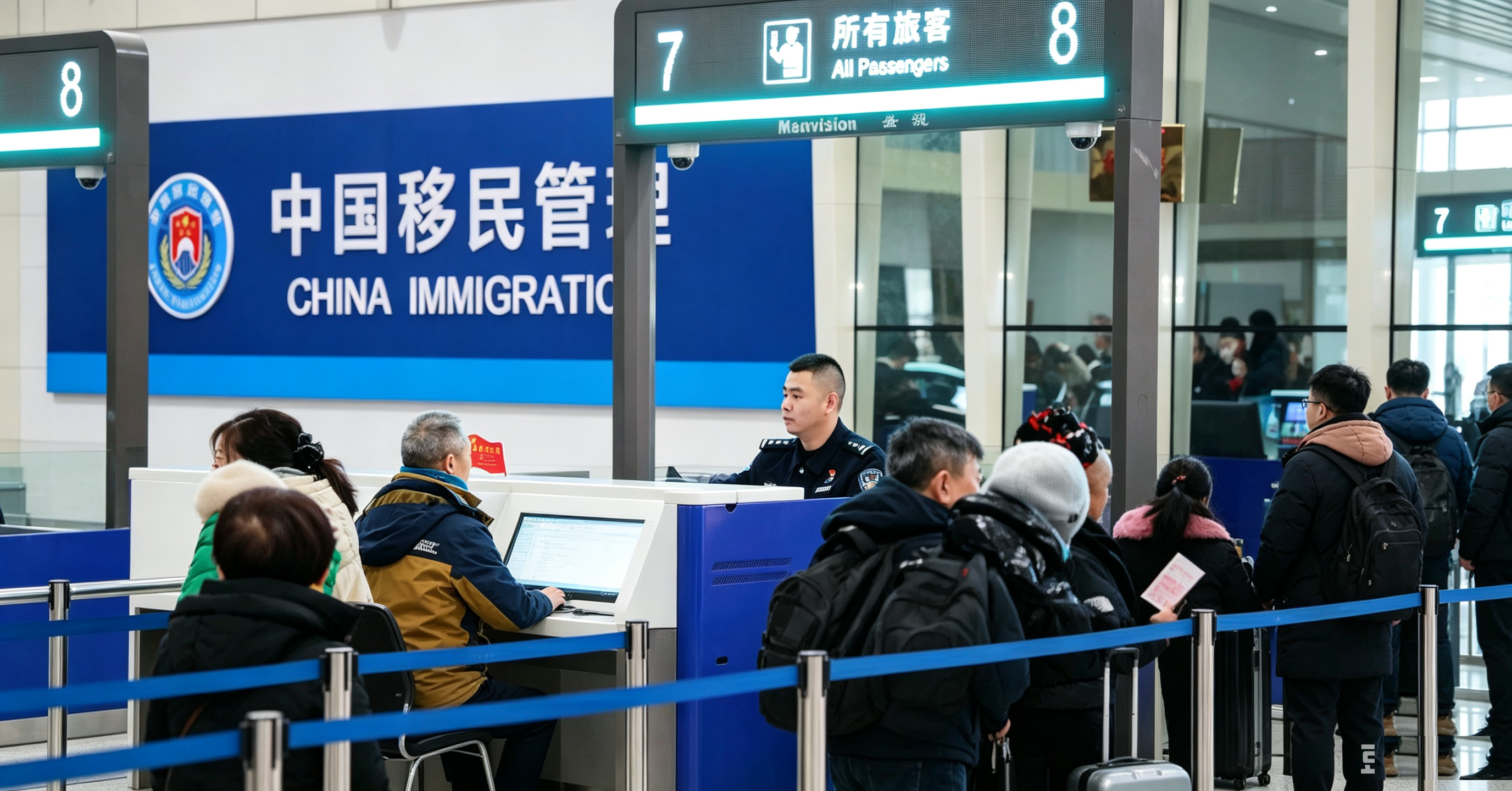
Guangdong province, home to the largest population of foreign residents in China, enforces the Exit and Entry Administration Law strictly. Foreigners in Guangzhou, Shenzhen, and across the province must comply with and significant penalties for violations. Whether you overstay a visa, work without authorisation, or fail to register your accommodation, the consequences can range from fines to detention and deportation. This guide summarises the most common violations and their penalties under PRC law.
I. Fraudulently Obtaining Visas or Residence Permits (Article 73)
Using fraudulent means—false documents, misrepresentation, or forgery—to obtain a visa, stay permit, or residence permit carries:
- Individuals: Fine of RMB 2,000–5,000
- Serious cases: 10–15 days’ detention plus fine of RMB 5,000–20,000
- Companies: Fine of RMB 10,000–50,000; the directly responsible person is also individually liable
II. Refusing Document Inspection or Misusing Documents (Article 76)
The following acts may result in a warning and/or fine of up to RMB 2,000:
- Refusing to present passport or residence documents for PSB inspection
- Failing to submit residence permits for examination
- Failing to register a foreign infant’s birth or report a foreigner’s death
- Failing to update residence permit information when registration details change
- Using another person’s exit-entry documents
III. Illegal Residence: Overstaying (Article 78)
Foreigners who remain in China beyond the authorised stay duration—whether through visa overstay, expired residence permit, or failure to maintain valid documentation—face escalating penalties:
- A fine calculated per day of overstay (amount set by regulation)
- In serious cases: detention and a heavier cumulative fine
- Potential deportation and a ban on re-entry for a specified period
The severity of the penalty depends on the length of overstay, whether the foreigner voluntarily reported, and whether there are aggravating circumstances (e.g., working illegally during the overstay period).
IV. Illegal Employment
Working without the required Z visa, employment permit, and residence permit is treated as illegal employment. Both the foreign worker and the employer face penalties:
- The foreigner may be fined, detained, and deported
- The employer may be fined and may lose the right to employ foreigners in the future
See Working Legally in China: Z Visa, Permits & Employment Contract Rules for the full legal framework.
V. Administration of Foreign NGO Activities
Under the Law on the Administration of Activities of Overseas Non-Governmental Organisations in Mainland China, overseas NGOs operating in China must register or file for record with the public security authorities and comply with restrictions on their activities, funding, and operations. Foreigners involved with overseas NGOs must understand these regulations, as violations can result in orders to cease activities, confiscation of property, fines, and individual criminal liability for the responsible persons.
VI. Practical Advice for Staying Compliant
- Track your visa expiry date. Set a reminder well before the expiry. Extension applications must be submitted at least 7 days before expiry.
- Carry your documents. Every foreigner aged 16 or older must carry a passport or residence permit at all times.
- Register your accommodation within 24 hours if staying in a private residence.
- Never work without authorisation. Even informal or short-term work requires permits.
- If you realise you have overstayed, report voluntarily. Voluntary reporting is a mitigating factor that can reduce penalties.
For visa and residence basics, see China Visa & Residence Guide for Foreigners.
This article is general information only, not legal advice for your matter. For professional assistance, consult a PRC-licensed lawyer at Zhang&Partners.