Working Legally in China: Z Visa, Permits & Employment Contract Rules for Foreigners
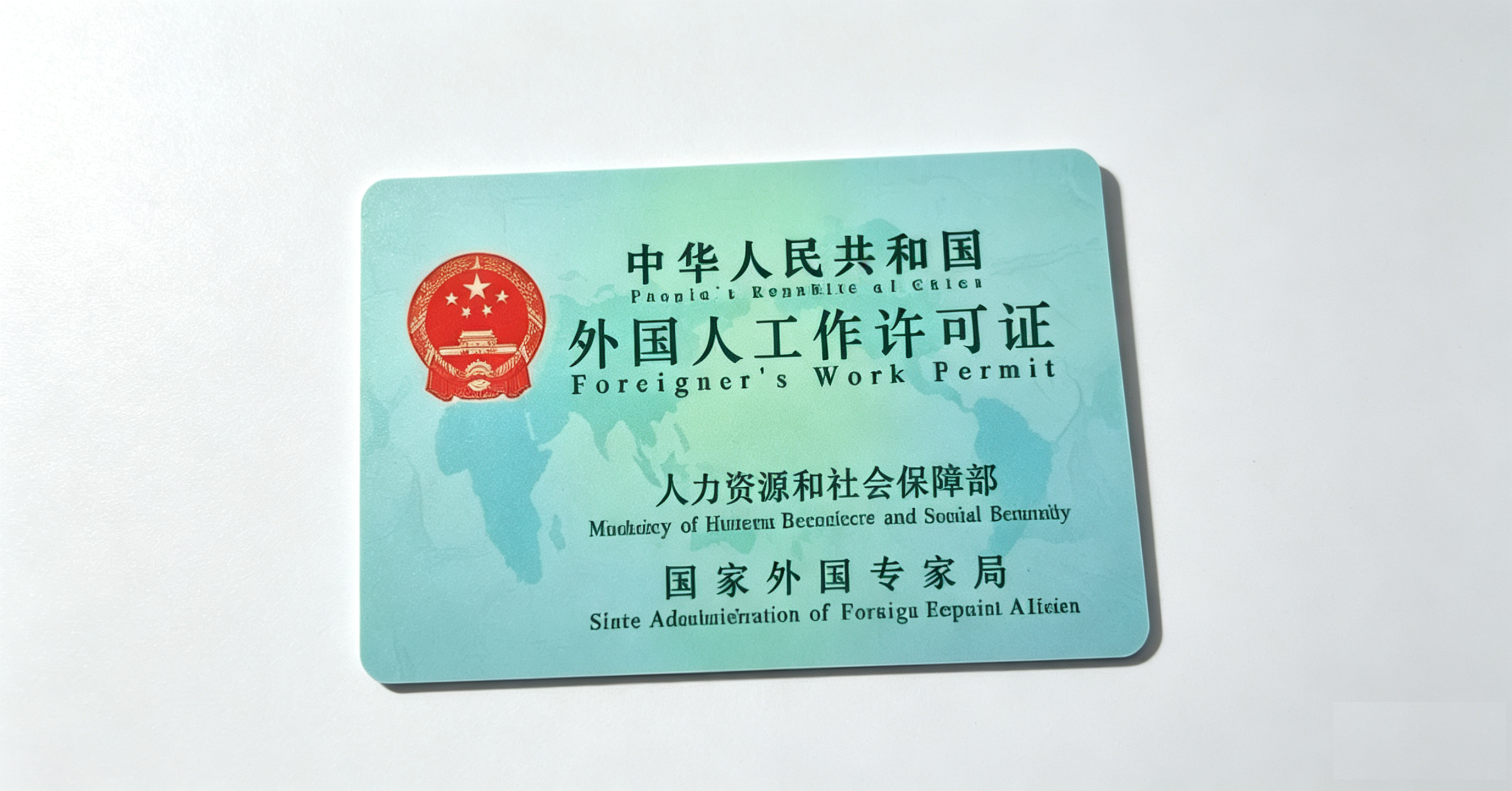
Any foreigner seeking employment in Guangzhou or elsewhere in Guangdong province must navigate a three-document system: the Z visa, the employment permit, and the residence permit. Working without all three is illegal—for both the employee and the employer. This guide explains the legal framework under the Exit and Entry Administration Law and the Rules for the Administration of Employment of Foreigners in China.
I. The Three-Document Rule
Article 41 of the Exit and Entry Administration Law is clear: foreigners who work in China must obtain work permits and work-type residence permits. No entity or individual may employ a foreigner who lacks either document. The process works in sequence:
- Z Visa (from abroad). Before entering China, the foreigner applies at a Chinese embassy or consulate in their home country. The employer provides the pre-approval documentation.
- Employment Permit (after arrival). After entering on the Z visa, the foreigner applies to the local labour bureau for the Employment Permit for Foreigners. In Guangzhou, this is handled by the Guangzhou Municipal Human Resources and Social Security Bureau.
- Residence Permit (final step). With the employment permit in hand, the foreigner applies to the PSB exit-entry administration for the work-type residence permit.
Only after all three documents are obtained may the foreigner legally begin working.
II. Who Can Work in China? Eligibility Conditions
Article 7 of the Rules for the Administration of Employment of Foreigners sets five mandatory conditions for any foreigner seeking employment in China:
- Age: At least 18 years old and in good health
- Professional qualifications: Must possess the professional skills and job experience required for the intended position
- No criminal record: Must have a clean criminal background
- A clearly-defined employer: Must have a specific employer who has offered a position
- Valid travel document: Must hold a valid passport or equivalent international travel document
III. Restrictions on the Employer
Article 6 provides that the position filled by a foreigner must be one of special need—a post that cannot be filled by any domestic candidate for the time being—and must not violate government regulations. Employers are also prohibited from employing foreigners for commercial entertainment performances (with limited exceptions).
These restrictions mean that employers must demonstrate why a foreigner, rather than a Chinese national, is necessary for the role. In Guangdong—China's largest provincial economy and home to tens of thousands of foreign-invested enterprises—the labour bureau reviews such justifications in the context of the province's foreign talent needs. This is a substantive requirement, not a formality: the labour bureau reviews the justification as part of the work permit application.
IV. Employment Contracts: What the Law Requires
Under Chinese labour law, the employment contract between a foreigner and a Chinese employer must comply with PRC labour law. Key requirements include:
- The contract term must not exceed the validity period of the employment permit
- Working hours, wages, social insurance, and labour protections must meet Chinese statutory minimums
- The contract should specify the position, duties, and workplace in terms consistent with the work permit application
- Dispute resolution clauses should account for the foreigner’s status—Chinese labour arbitration has jurisdiction over employment disputes involving foreigners working in China
V. Consequences of Illegal Employment
Working without proper documentation carries serious consequences for both the foreigner and the employer. A foreigner working illegally may face fines, detention, and deportation. The employer may face substantial fines and administrative penalties, including restrictions on future ability to hire foreigners. The employment contract itself may be deemed void.
For the full work permit application timeline and digital integration changes in 2026, see The 2026 Roadmap: How to Legally Work in China. For visa and residence basics, see China Visa & Residence Guide for Foreigners.
This article is general information only, not legal advice for your matter. For professional assistance, consult a PRC-licensed lawyer at Zhang&Partners.