China Visa & Residence Guide for Foreigners: Stay Duration, Permits & Registration
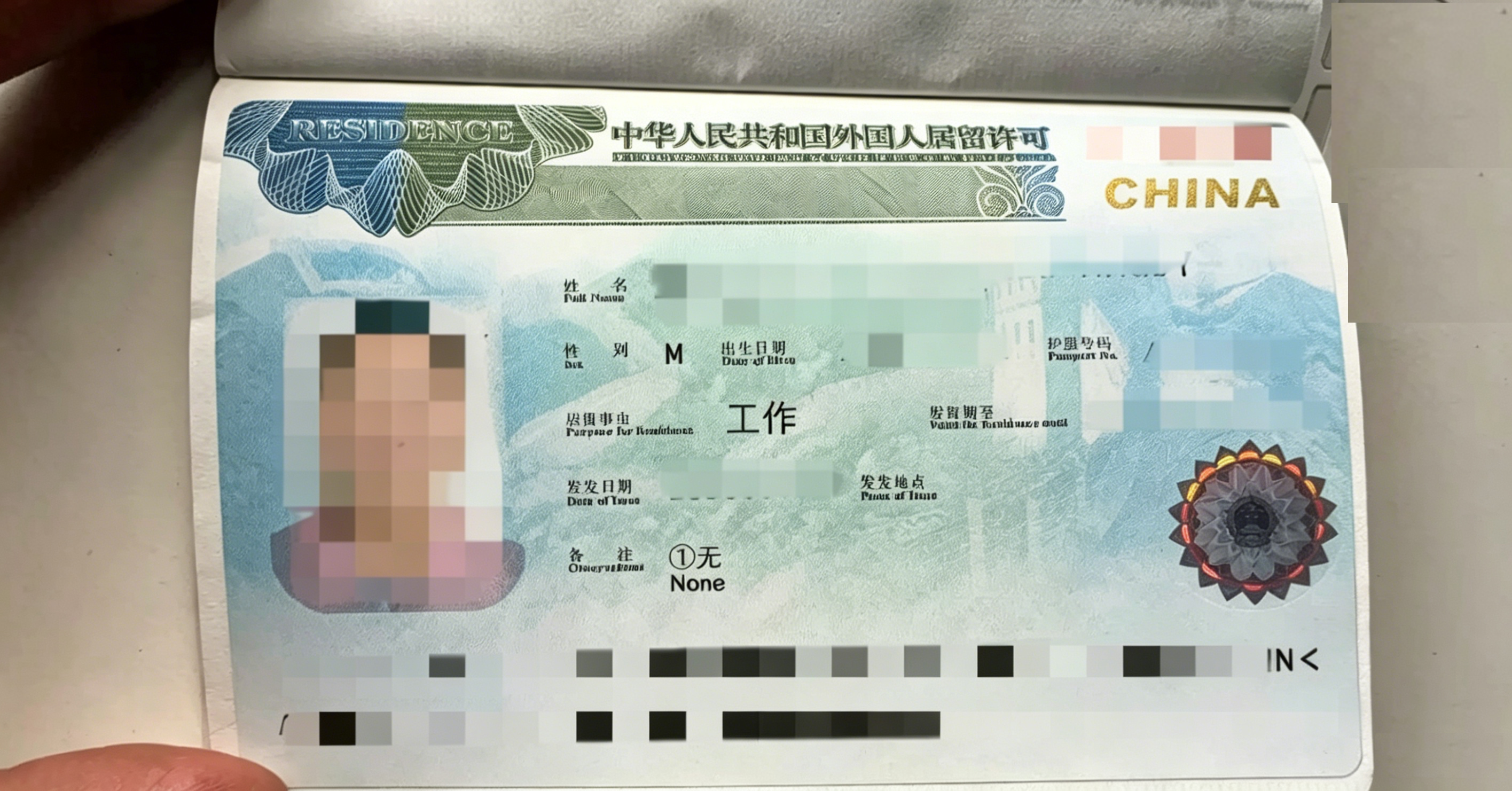
Whether you are a business traveller attending the Canton Fair in Guangzhou, an executive posted to a Guangdong office, or a family member accompanying a foreign professional in the Greater Bay Area, understanding China’s visa stay rules, residence permit requirements, and accommodation registration obligations under the Exit and Entry Administration Law of the PRC is essential. Non-compliance can result in fines, detention, or even deportation.
I. Visa Stay Duration: The 180-Day Rule
Under Article 29 of the Exit and Entry Administration Law, a foreigner holding a visa with a specified stay duration of no more than 180 days may stay in China within the duration specified in the visa. This is the most common scenario for business travellers, tourists, and short-term visitors.
Can You Extend Your Stay?
Yes—but with limits. A visa holder must apply for an extension at least 7 days before expiry at the exit-entry administration of the public security bureau (PSB) at or above the county level in the place of stay. In Guangzhou, the main Exit-Entry Administration is located on Jiefang South Road, Tianhe District. The application must include supporting materials explaining the reason for extension. If approved, the extension is granted. If denied, the foreigner must leave China on the expiry date.
Critical rule: The accumulated length of extension must not exceed the original duration of stay specified in the visa. You cannot extend a 30-day visa to 180 days—the total stay, including extensions, cannot exceed the original period.
II. Residence Permits: When You Need One and How to Apply
Under Article 30, if your visa states that a residence permit is required after entry, you must apply within 30 days of arrival at the PSB exit-entry administration where you plan to reside.
What You Must Submit
- Your passport or other international travel document
- Relevant supporting materials for the specific purpose of your stay
- Biometric information including fingerprints
The residence permit is a separate document—typically a sticker in your passport—and is distinct from both the visa and the work permit. For those working in China, the work permit and residence permit are linked but issued by different authorities (the labour bureau and the PSB, respectively).
III. Daily Inspection: Carry Your Documents at All Times
Under Article 38, every foreigner aged 16 or older who stays or resides in China must carry their passport or residence permit at all times and present it for inspection by public security organs upon request. This is not optional—failure to carry documents can result in a warning and a fine of up to RMB 2,000 (Article 76).
Foreigners residing in China must also submit their residence permits for periodic examination at the PSB within the prescribed time limits.
IV. Accommodation Registration: The 24-Hour Rule
Article 39 establishes two scenarios for accommodation registration:
- Hotels: When a foreigner stays in a hotel, the hotel must register the accommodation in accordance with public security regulations and report the registration information to the local PSB. This is handled by the hotel staff—the foreigner does not need to take any action.
- Private residences: If a foreigner stays in a private residence (including a friend’s home, an Airbnb, or any non-hotel domicile), the foreigner or the host must register with the local PSB within 24 hours of arrival. In Guangdong province, this can typically be done at the local police station (pai chu suo) nearest to the residence. This is a strict requirement and is enforced. Failure to comply is a violation that can result in penalties.
V. Special Situations: Births, Deaths, and Other Changes
Article 40 covers less common but equally important scenarios:
- Foreign infant born in China: Parents or agents must apply for stay or residence registration for the infant within 60 days of birth, presenting the birth certificate, at the PSB where the parents reside.
- Foreigner who dies in China: Relatives, guardians, or agents must report the death to the PSB exit-entry administration and cancel the deceased’s stay or residence permit.
VI. Common Violations and Penalties
Fraudulently Obtaining Visas or Permits
Under Article 73, using fraudulent means (false documents, misrepresentation, etc.) to obtain a visa or residence permit carries a fine of RMB 2,000–5,000. In serious cases: 10–15 days’ detention plus RMB 5,000–20,000 fine. Companies engaging in such conduct face fines of RMB 10,000–50,000.
Refusing Document Inspection
Under Article 76, refusing to present documents to PSB for inspection, failing to submit residence permits for examination, or misusing another person’s documents may result in a warning and a fine of up to RMB 2,000.
Overstaying and Illegal Residence
Under Article 78, foreigners who illegally reside in China face escalating penalties based on the severity of the overstay. Serious cases can result in detention, fines calculated per day of overstay, and potential deportation or restrictions on future entry.
For a detailed discussion of work visa requirements, see The 2026 Roadmap: How to Legally Work in China. For immigration violation penalties, see Foreigners in China must abide by laws and regulations.
This article is general information only, not legal advice for your matter. For professional assistance, consult a PRC-licensed lawyer at Zhang&Partners.