Where to Sue? A Legal Analysis of Jurisdiction in International Trade Contracts in China
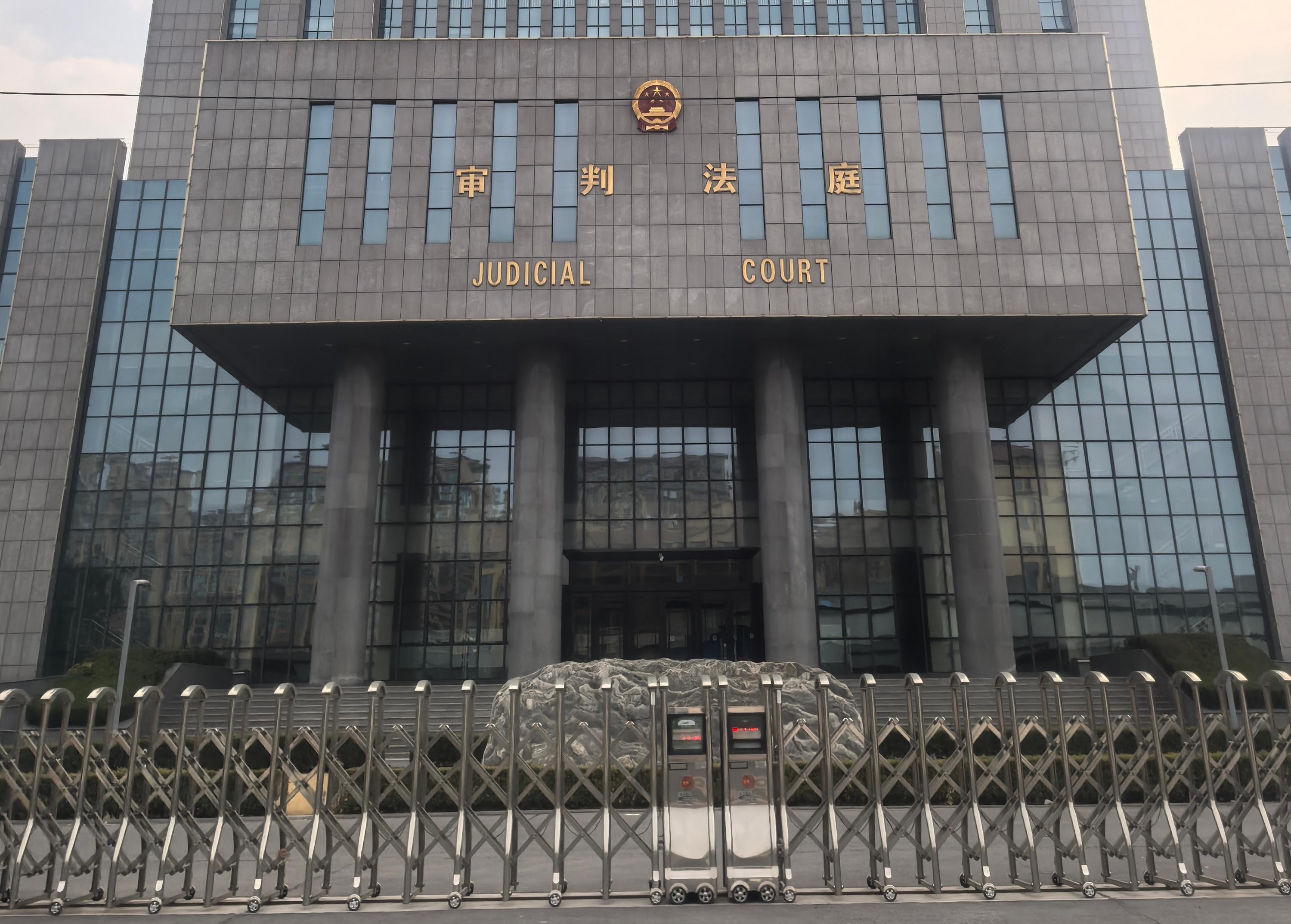
In international trade, a judgment is only as good as its enforceability. Before a dispute even arises, the most critical question in your contract is: If something goes wrong, which court has the power to decide?
Under Chinese law, the rules for jurisdiction in foreign-related civil and commercial disputes have become increasingly internationalized, offering more flexibility—and some strict boundaries—for global traders. See dispute resolution in China and enforcing foreign judgments and awards.
1. Choosing the Court by Agreement (Consensual Jurisdiction)
Chinese law highly respects party autonomy. You and your counterparty can agree in writing on which court will hear your disputes. However, the rules differ depending on whether you choose a Chinese or a foreign court.
A. Choosing a foreign court: the actual connection rule
If you wish to choose a court outside of China (for example, in Singapore or New York), that location must have an actual connection to the dispute. Under Article 529 of the CPL Interpretation, this includes:
- The defendant's domicile.
- Place of contract performance or signing.
- The plaintiff's domicile.
- Location of the subject matter or the tortious act.
Warning: If you choose a neutral third-country court that has no connection to the deal, a Chinese court may deem that clause invalid.
B. Choosing a Chinese court: the open door policy
In a move to encourage international business, China's Civil Procedure Law (Article 277) no longer requires a Chinese court to have an actual connection to the dispute for a jurisdiction clause to be valid. You can choose a Chinese court even if the parties and the goods are elsewhere, provided the agreement is in writing.
2. Exclusive Jurisdiction: The Non-Negotiable Rules
There are certain cases where you cannot choose a foreign court. According to Article 279 of the CPL, Chinese courts have exclusive jurisdiction over:
- Corporate governance: Disputes involving the setup, dissolution, or liquidation of a legal entity incorporated in China.
- Intellectual property: Disputes regarding the validity of IP rights granted within China.
- Specific contracts: Disputes arising from the performance of Sino-foreign equity joint venture contracts, cooperative joint venture contracts, or contracts for the cooperative exploration of natural resources within China.
If your dispute falls into these categories, any agreement to sue in a foreign court will be void in the eyes of Chinese law.
3. What if the Contract is Silent? (The Appropriate Connection Principle)
If your contract does not specify a court, China may still exercise jurisdiction if there is an appropriate connection (Article 276). A Chinese court can hear a case against a defendant not domiciled in China if any of the following are located in China:
- Place of signing or performance.
- Location of the subject matter.
- Location of property available for seizure.
- Place of the tort (infringement).
- Location of a representative office.
Unlike long-arm jurisdiction seen in some Western systems, China follows the appropriate connection principle, ensuring there is a legitimate legal tie to Chinese territory.
4. Litigation vs. Arbitration: A Strategic Choice
While choosing a court is one option, many international trade contracts opt for arbitration.
- Court: Public, strictly procedural, and subject to bilateral treaties for enforcement.
- Arbitration: Confidential, flexible, and enforceable in over 160 countries under the New York Convention.
Note: If your contract contains a valid arbitration clause, Chinese courts will not accept the case, as arbitration excludes court jurisdiction.
Tactical Advice for International Traders
- Explicitly state the venue: Never leave the jurisdiction clause blank. It leads to forum shopping and expensive jurisdictional battles.
- Align venue with assets: If your debtor's assets are all in China, choosing a Chinese court (or arbitration) is usually the most efficient path for enforcement.
- Check for exclusivity: Ensure your contract doesn't accidentally attempt to waive China's exclusive jurisdiction over domestic corporate or IP matters.
- Use the appropriate connection: If you are the plaintiff and the contract is silent, look for attachable assets in China to establish jurisdiction for a Chinese court.
This article is general information only, not legal advice for your matter. For professional assistance, consult a PRC-licensed lawyer at Zhang&Partners.