Guide to Document Translation and Notarization for Foreigners in Chinese Litigation
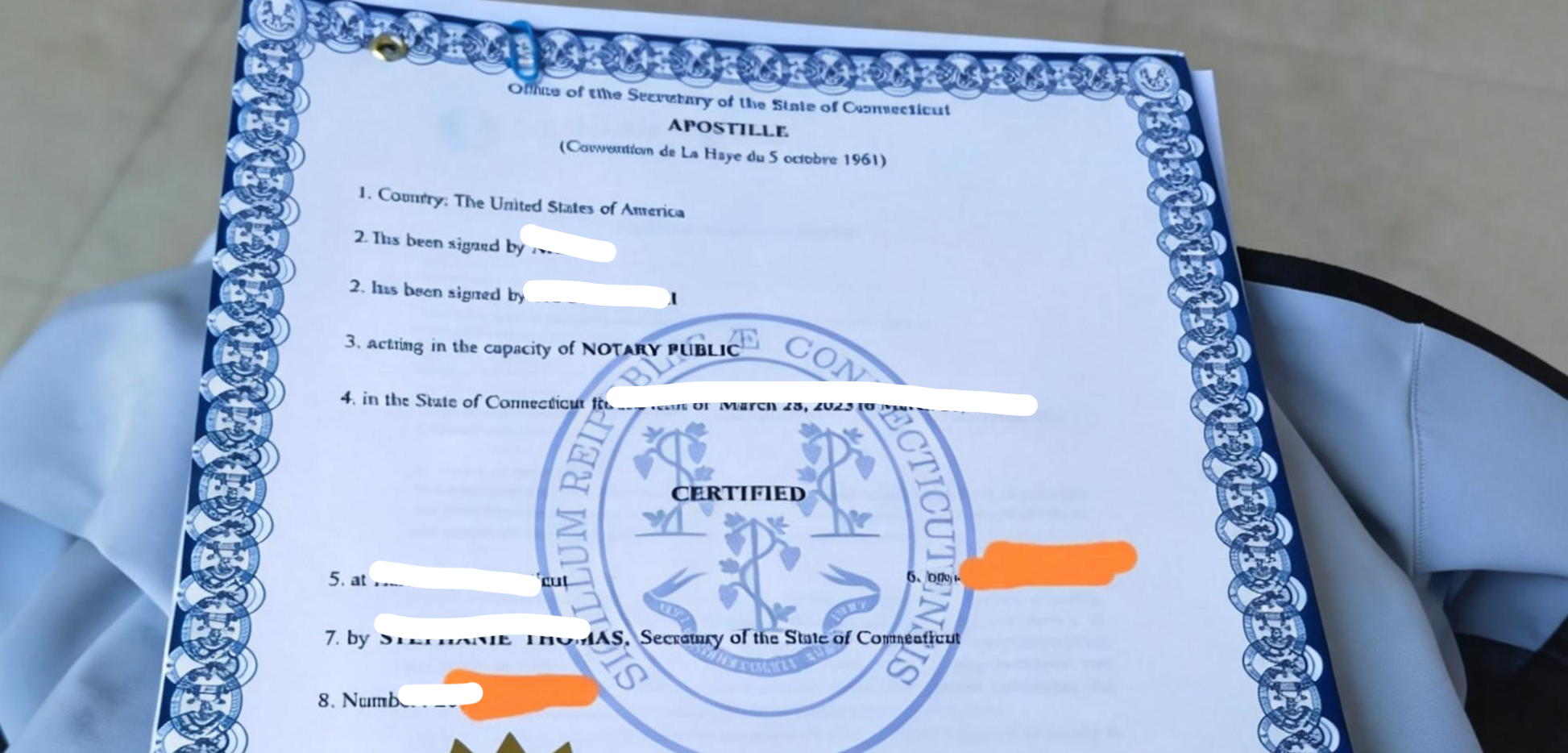
In a Chinese courtroom, the language is Mandarin, and the standard of evidence is rigorous. If you are a foreign individual or entity involved in a lawsuit in China, your overseas documents are not legally “audible” or “visible” to the judge until they have undergone a specific process of translation and formal certification.
For litigation strategy and procedure, see also foreign litigants in Chinese courts and dispute resolution for China trade.
1. The Language Rule: Mandatory Chinese Translation
According to Article 262 of the PRC Civil Procedure Law, the people's courts must use the language and writing commonly used in the People's Republic of China.
- Everything must be translated: Any document submitted as evidence—including contracts, emails, identity certificates, and power of attorney—must be accompanied by a Chinese translation.
- The translation standard: The court requires accurate and faithful translations. You cannot simply use automated translation tools.
- Who translates? While the law suggests the court can provide translation at the party's expense, in practice, the burden is on the party to provide a translation from a qualified professional translation agency within China.
Warning: If you submit foreign-language documents without a Chinese translation, the court has the right to disregard them entirely as evidence.
2. Document Certification: Notarization & Authentication
Documents formed outside of China's borders are not automatically recognized. They must follow the double-certification or Apostille process.
A. The general rule: notarization plus authentication
For most evidence formed abroad, you must follow these steps:
- Home country notarization: A local notary in your country certifies the document's authenticity.
- The Apostille track: If your country is a member of the 1961 Hague Convention, you only need an Apostille from your local government.
- The consular track: If your country is not a member of the Hague Convention, the document must be authenticated by the Chinese embassy or consulate in that country.
B. Exemptions: when you don't need notarization
There are specific scenarios where foreign parties can skip the expensive and time-consuming notarization process:
- Presence in China: If a foreign individual or a representative of a foreign company is physically in China and signs the power of attorney in front of the judge or a Chinese notary.
- Official records: Documents obtained through mutual judicial assistance treaties or via Chinese embassies abroad.
- No objection: If the opposing party in the lawsuit explicitly agrees to the authenticity of the un-notarized foreign document.
3. Serving Documents Abroad (Outgoing Documents)
If you are the plaintiff in China and need to serve legal papers to a defendant located abroad:
- Court-appointed translation: The court will technically commission a translation agency within China to translate the summons and complaint.
- Cost responsibility: Although the court commissions the work, the plaintiff is typically required to advance the translation fees.
4. Professional Checklist for Foreign Litigants
| Category | Requirement | Note |
|---|---|---|
| Identity docs | Passport / certificate of incorporation | Must be notarized and authenticated or apostilled. |
| Power of attorney | Signed POA for your PRC lawyer | Must be notarized unless signed in front of the judge. |
| Evidence | Contracts, invoices, chat logs | Must have a professional Chinese translation attached. |
| Expert testimony | Foreign expert reports | Requires notarization and full translation. |
Why Accuracy Matters
A single mistranslation in a commercial contract or a missing seal on a notarized certificate can lead to the court rejecting your evidence, potentially losing you the case. At Zhang&Partners, we don't just provide legal representation; we coordinate with certified translation bureaus and overseas notaries to ensure every piece of paper is court-ready.
This article is general information only, not legal advice for your matter. For professional assistance, consult a PRC-licensed lawyer at Zhang&Partners.