Marriage & Divorce in China: Registration Procedures & Legal Guide for Foreigners
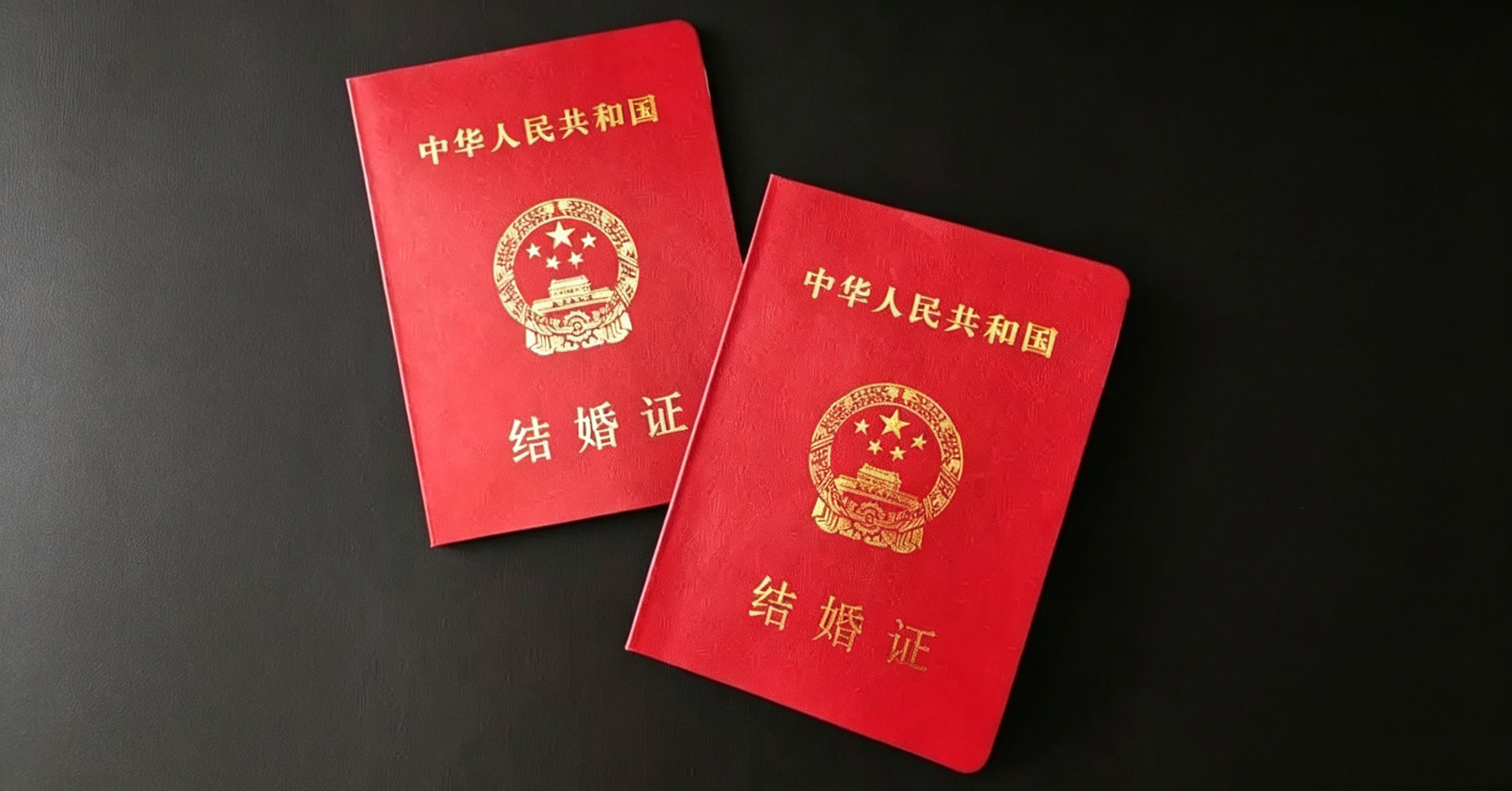
Foreign nationals living and working in Guangzhou and across Guangdong province may need to register a marriage, file for divorce, or obtain a replacement marriage certificate. Chinese law provides clear procedures for each, but the document requirements are strict and timelines are firm. This guide is based on the PRC Marriage Law and the applicable registration regulations.
I. Marriage Registration for Foreigners in China
Conditions for Marriage Registration
To register a marriage in China, both parties must meet the basic conditions under PRC law: both must be of legal marriageable age (22 for men, 20 for women under the PRC Civil Code), both must be unmarried at the time of registration, neither may be within a prohibited degree of kinship, and both must consent voluntarily. At least one party must be a Chinese citizen or both must be foreign nationals legally present in China.
Required Documents
Foreign nationals must submit:
- Valid passport or other international travel document
- A certificate of no impediment to marriage (single status certificate) issued by their home country’s authorities, duly legalised or apostilled
- A health examination certificate from a designated Chinese hospital
- Recent passport-sized photographs
Registration Procedure
The parties must appear in person at the Civil Affairs Bureau (民政局) in the jurisdiction where the Chinese party’s household registration (hukou) is located, or where both foreign nationals reside. The registration is processed on the spot if all documents are in order. The marriage certificate takes effect immediately upon issuance.
Timeline and Fees
The registration procedure is typically completed in one visit, provided all documents are complete and properly legalised. Registration fees are nominal.
II. Divorce Registration for Foreigners in China
Conditions
A divorce by mutual consent (agreement divorce) may be registered if both parties voluntarily agree to divorce, have reached agreement on child custody and property division, and meet the jurisdictional requirements. This is the administrative route; a contested divorce must proceed through the People’s Court.
Required Documents
- Valid passports (or Chinese ID for the Chinese spouse)
- The original marriage certificate
- A signed divorce agreement addressing child custody, visitation, property division, and debt allocation
- Recent photographs
Procedure
Both parties must appear in person at the Civil Affairs Bureau. After a mandatory cooling-off period (30 days under the PRC Civil Code), the parties must return to finalise the divorce and receive the divorce certificate. If either party fails to appear for the second visit, the application lapses.
For contested divorce, international custody, and property division, see How to divorce in China: agreement or court, How property is divided in divorce in China, and Child custody in China for international families.
III. Re-Issuance of Marriage Certificate
If a marriage certificate is lost or damaged, either or both parties may apply for a replacement certificate. The application must be made at the original registration authority. Required documents include valid identification, proof of the original marriage registration, and recent photographs. The replacement is generally issued within a short processing period.
IV. Certificate of Marriageability (No-Impediment Certificate)
A foreigner who needs to marry outside China or who requires proof of marital status may apply for a certificate of no record of marriage registration from the Civil Affairs Bureau where they reside. This document confirms that the authority has no record of the applicant having registered a marriage within its jurisdiction. Note that this certificate only covers the issuing authority’s records—it does not certify the applicant’s marital status in other jurisdictions.
This article is general information only, not legal advice for your matter. For professional assistance, consult a PRC-licensed lawyer at Zhang&Partners.