Drug Laws and Deportation Risks for Foreigners in China (2026)
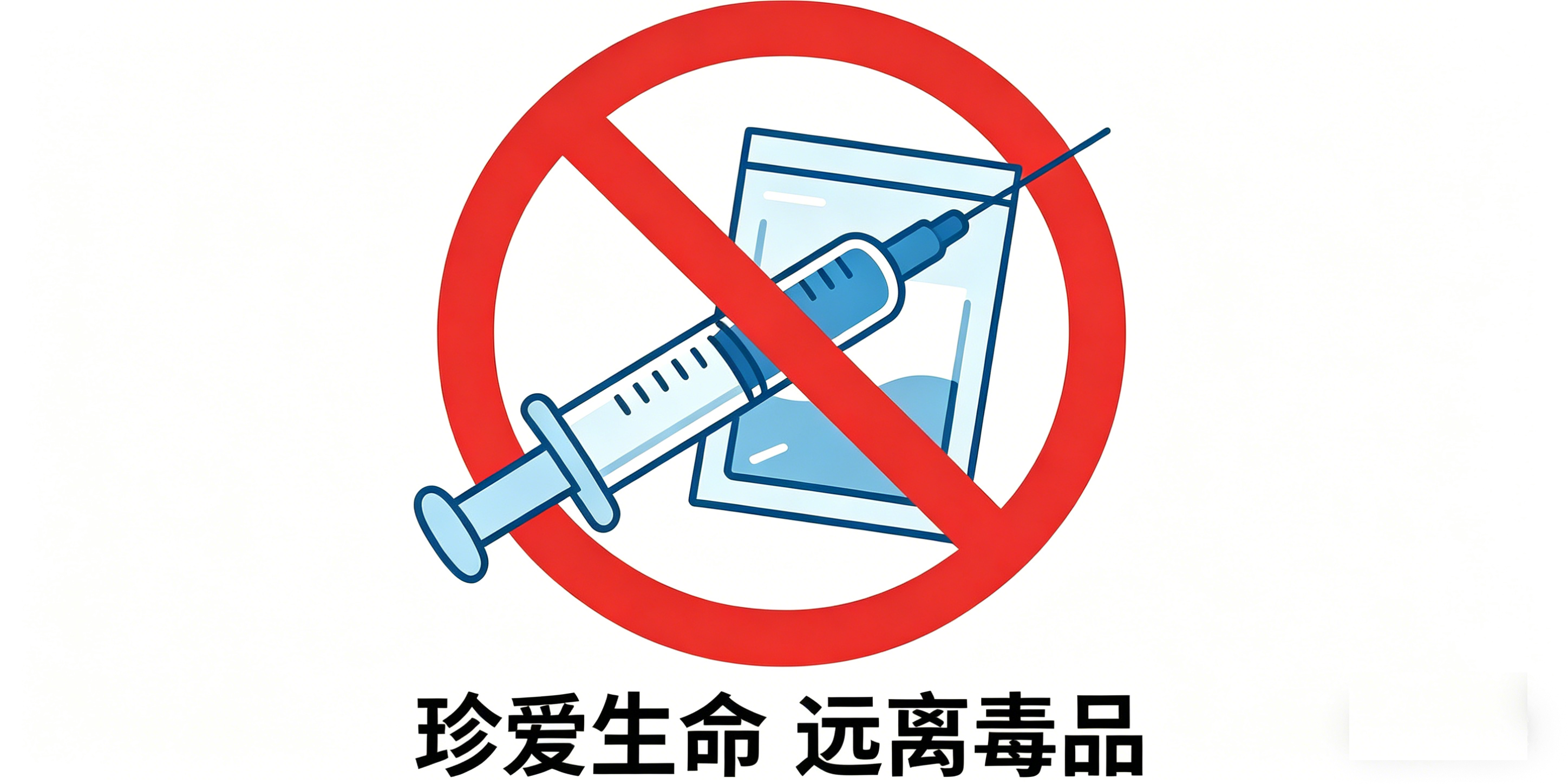
In China, the legal stance on drugs is among the strictest in the world. For foreign nationals, a single positive test result or a "party favor" shared with a friend is not just a legal hurdle—it is a life-altering event that typically ends in permanent expulsion from the country.
1. The Two-Tier System: Administrative vs. Criminal
The Chinese legal system distinguishes between "using" drugs and "handling" them. However, for a foreigner, both paths lead to severe immigration consequences.
Administrative Violation (Drug Consumption)
Definition: Testing positive for a controlled substance (cannabis, meth, ketamine, etc.).
The Law: Under the Public Security Administration Punishments Law (revised Jan 1, 2026), drug use is a violation, not a crime.
Penalty: 10 to 15 days of administrative detention and a fine of up to 5,000 RMB.
Note: While 2026 reforms have improved the privacy of administrative records for some "petty offenses," these records remain fully accessible to immigration authorities for visa and deportation decisions.
Criminal Offense (Trafficking, Possession, or Hosting)
Definition: Handling drugs, including selling, transporting, or simply "possessing" amounts over a specific threshold (e.g., 10g of meth).
Penalty: Criminal detention or imprisonment, often followed by formal deportation.
2. The "Deportation Trigger"
For an expat, the end of a 15-day police detention is rarely the end of the story. The Exit-Entry Administration usually takes over immediately.
Visa Annulment: Any violation of the Exit and Entry Administration Law allows authorities to cancel your residence permit or visa on the spot.
Repatriation (Ordered to Leave): For minor drug use, you are typically given a "Repatriation Order," requiring you to leave China within a few days at your own expense.
Formal deportation: For criminal offenses, the court often mandates deportation after your prison sentence is served.
The Blacklist: A drug-related exit usually results in a 1 to 5-year entry ban, and for more serious offenses, a permanent ban from re-entering the People's Republic of China.
3. High-Risk Trap: "Providing a Venue"
One of the most common ways foreign nationals face felony charges is Article 354 of the PRC Criminal Law: Providing a Venue for Another to Consume Drugs.
The Scenario: You host a party at your apartment or book a hotel room. A guest brings drugs and uses them in your space.
The Risk: Even if you do not use the drugs yourself, as the "manager" of the space, you can be charged with a felony.
Sentence: Up to 3 years in prison, followed by mandatory deportation.
4. Advanced Detection: Hair Testing in 2026
Chinese authorities frequently conduct random drug tests in nightlife districts or during visa renewals.
Detection Window: While urine tests look for use in the last few days, hair follicle testing can detect consumption from 3 to 6 months ago.
Legal Elsewhere, Illegal Here: If you consumed cannabis legally in your home country (e.g., Canada, Thailand, or certain US states) and your hair tests positive upon arrival or during your stay in China, you are treated as a drug violator.
5. Prescription Medications & Mailing Risks
In 2026, customs surveillance of international mail has intensified.
ADHD & Anxiety Meds: Medications like Adderall (containing amphetamines) or certain sedatives are strictly controlled.
Mailing Without Permit: Mailing these medications to yourself from abroad can be classified as Drug Smuggling if you lack a validated Chinese hospital prescription. Always check the official "Controlled Substance List" before bringing or shipping medicine.
Conclusion
For foreign nationals in China, the legal framework creates a "one-strike" environment. The intersection of administrative detention and exit-entry laws ensures that even a minor experiment with a controlled substance can result in the immediate forfeiture of your career, residency, and right to return. In 2026, with the integration of hair-testing and digital enforcement, the only reliable strategy for maintaining your status is absolute abstinence from any controlled substances, both within and outside China’s borders.
Related Guides
- Browse all Guides & Resources
- Bail (release pending trial) in China
- Criminal procedure for foreign nationals
- Lawyer visits in detention cases
This article is general information only, not legal advice. Rules and practice may vary by locality and case facts.