Driving in China as a Foreigner: License Application, IDP Rules & Traffic Law Basics
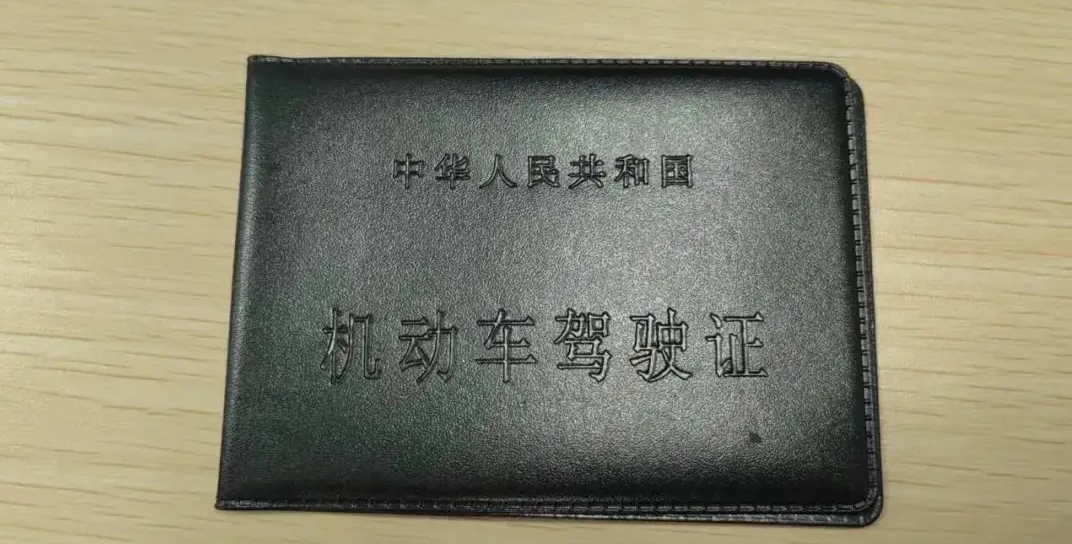
Many foreigners living in Guangzhou and across Guangdong assume that an International Driving Permit (IDP) or their home country license is sufficient to drive. In China, it is not. To drive legally, you must hold a Chinese driver’s license. Driving without one is treated as driving without a license—a criminal offence. This guide explains the legal requirements and the application process under Chinese traffic law.
I. The Basic Rule: You Need a Chinese License
Under PRC road traffic safety law, China does not recognise the International Driving Permit as a standalone driving credential. Foreigners must either:
- Obtain a temporary Chinese driving permit (valid for a short period, typically for tourists or short-term business visitors), or
- Apply for a full Chinese driver’s license by passing the required tests.
Driving with only a foreign license or an IDP is treated as driving without a license, which carries administrative and potentially criminal consequences.
II. How to Apply for a Chinese Driver’s License
Foreigners applying for a Chinese driver’s license must:
- Present a valid passport and residence permit
- Submit a health certificate from a designated medical institution
- Pass the written examination (traffic laws and regulations) in Chinese or, in some cities, English
- In many cases, also pass a road test (practical driving examination)
Some provinces offer simplified procedures for holders of valid foreign licenses from certain countries, but this varies by locality. In Guangzhou, the Vehicle Administration Office (车管所) handles foreign license conversions. Check with the local office for the most current requirements.
III. Key Traffic Law Provisions for Foreign Drivers
China’s traffic law applies equally to foreigners and Chinese nationals. The most important provisions for foreign drivers to understand include:
- DUI (drunk driving): China criminalises both drunk driving (blood alcohol ≥ 80 mg/100 ml) and driving under the influence (20–80 mg/100 ml). Penalties range from licence suspension and fines to criminal detention and prosecution for dangerous driving. See DUI & DWI in China (2026) for a detailed breakdown.
- Accident liability: In traffic accidents, liability is determined under PRC tort law and traffic regulations. Foreign drivers involved in an accident should remain at the scene, call the police (122), and notify their insurance provider.
- Traffic violations: Running red lights, speeding, illegal parking, and other violations are enforced through a points-based system. Accumulating 12 points in a scoring cycle results in licence suspension and mandatory re-education.
IV. Civil and Criminal Liability for Traffic Accidents
If a foreigner causes a traffic accident resulting in injury or death, they may face both civil liability (compensation to victims) and criminal liability (prosecution for traffic offences). Compensation is calculated under PRC tort law and can include medical expenses, lost income, disability compensation, and death compensation. Having valid insurance is essential. For criminal traffic cases involving foreigners, see Criminal jurisdictional questions for foreign nationals in China.
This article is general information only, not legal advice for your matter. For professional assistance, consult a PRC-licensed lawyer at Zhang&Partners.